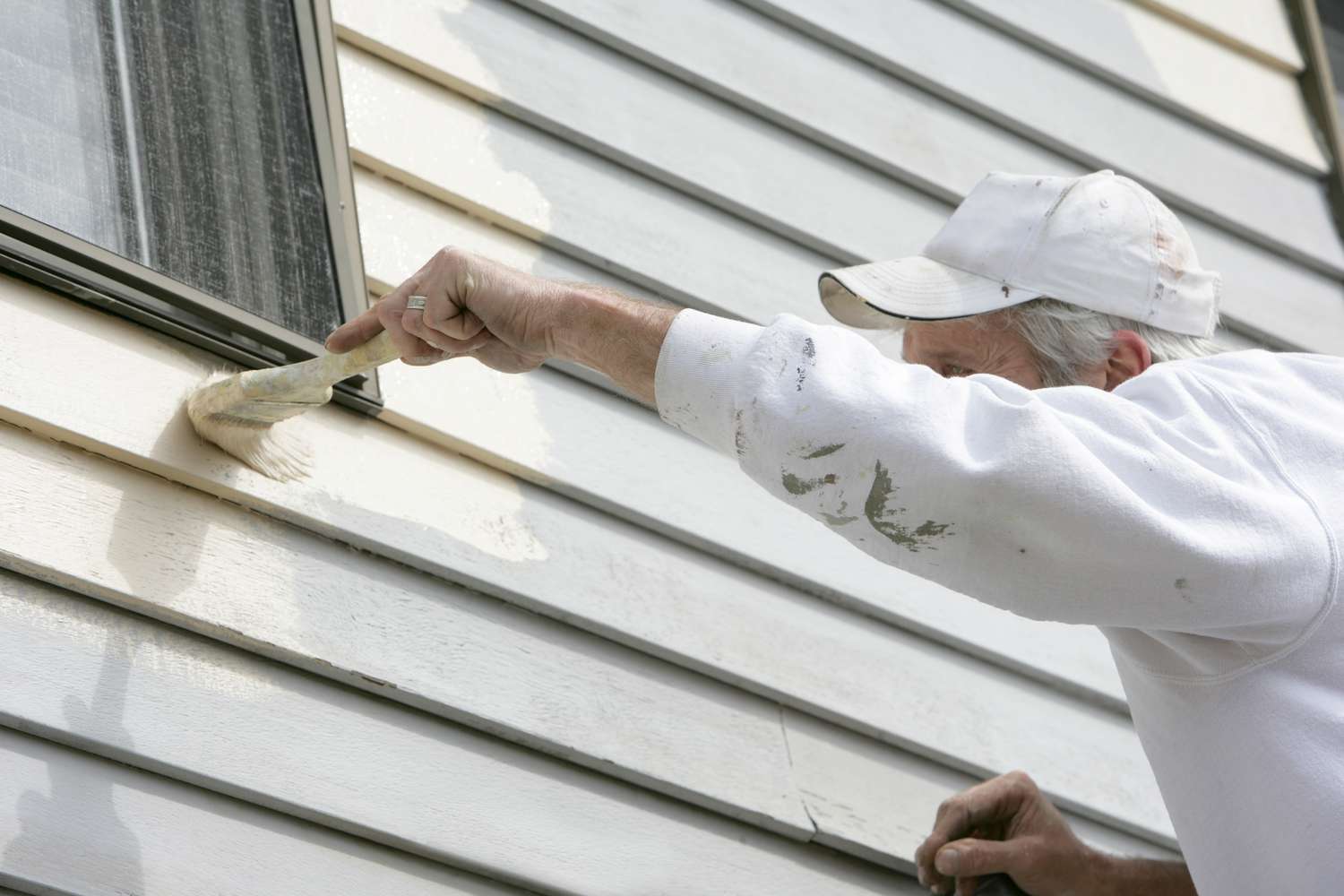
Painting vinyl siding is a great way to enhance the look of your home and give it a fresh new appearance. In Baltimore, many homeowners are looking for ways to improve the aesthetic appeal of their homes, and painting their vinyl siding is a popular solution. However, painting vinyl siding is a different process than painting traditional wood siding, and requires a different set of steps and materials to ensure that it lasts for years to come. In this blog post, we will go over the steps you need to take to successfully paint your vinyl siding in Baltimore.
Step 1: Cleaning
The first step in painting your vinyl siding is to thoroughly clean it. Dirt, grime, and mildew can all interfere with the paint adhesion and cause it to peel over time. Use a mild soap and water solution and a scrub brush to remove any dirt and debris from the surface of the siding. Rinse the siding with a garden hose to remove any soap residue. If you have any mildew on your siding, you will need to use a solution of water and bleach to kill it. Once your siding is clean and dry, it is ready for the next step.
Step 2: Preparation
Once your siding is clean, it is time to prepare it for painting. Fill in any cracks or holes in the siding with a vinyl filler. This will help to create a smooth surface for the paint to adhere to. If your siding has any nicks or scratches, use a sandpaper or sanding sponge to smooth out the surface. Make sure to remove any sanding dust before you begin painting.
Step 3: Priming
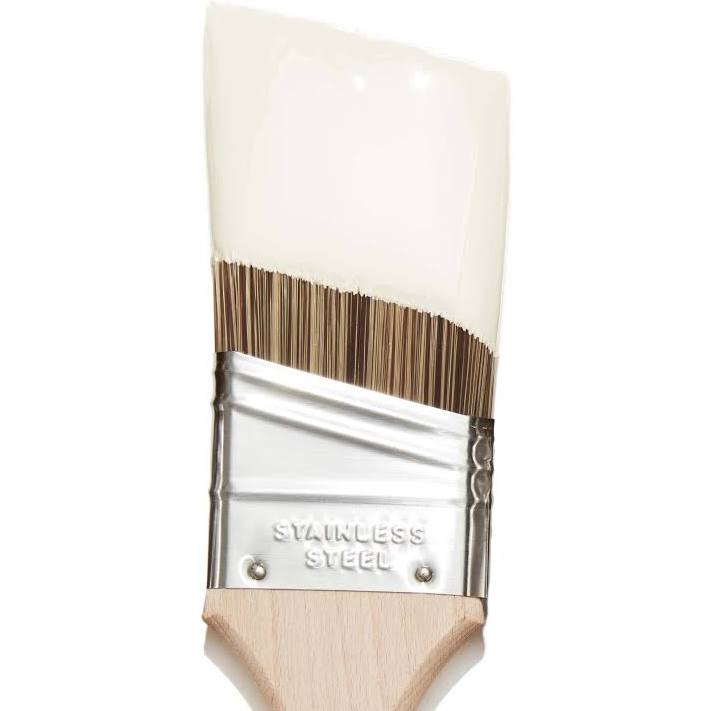
Before you paint your vinyl siding, you will need to prime it. This will help the paint to adhere to the surface and prevent it from peeling over time. Use a high-quality primer specifically designed for vinyl siding. Apply the primer with a brush or roller, making sure to cover the entire surface of the siding. Wait for the primer to dry completely before proceeding to the next step.
Step 4: Painting
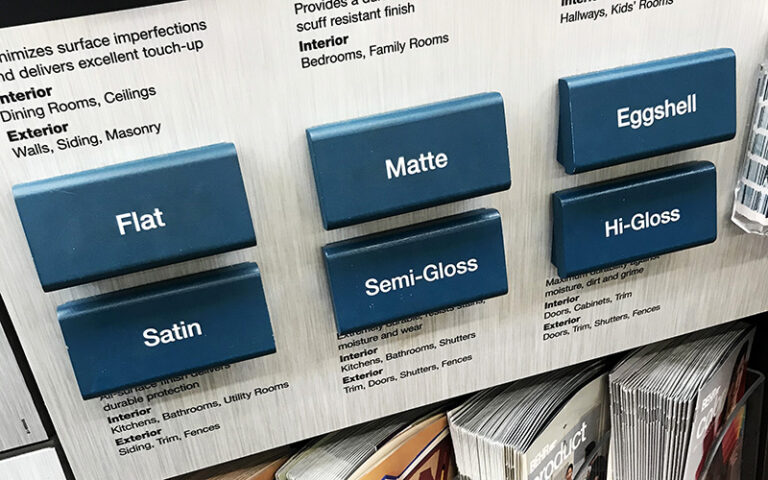
Once the primer has dried, it is time to paint your vinyl siding. Use a high-quality paint specifically designed for vinyl siding. You can choose from a variety of colors and finishes to create the look you want for your home. Apply the paint with a brush or roller, making sure to cover the entire surface of the siding. Wait for the first coat of paint to dry completely before applying a second coat.
Step 5: Finishing
After the second coat of paint has dried, you can add any finishing touches you want to enhance the look of your home. For example, you can add trim to the edges of your windows and doors to give your home a more finished look. You can also add decorative elements like shutters or flower boxes to further enhance the appearance of your home.
In conclusion, painting your vinyl siding in Baltimore is a great way to improve the look of your home and give it a fresh new appearance. By following these steps, you can ensure that your paint job will last for years to come. If you have any questions or need help with your painting project, reach out to a local Baltimore contractor for assistance. Whether you are looking to simply freshen up your home’s appearance or give it a complete makeover, painting your vinyl siding is a great place to start.